Bulletin #112: The struggle for health is a struggle against imperialism
This fortnight
When the United States attacked Venezuela at the beginning of 2026 and kidnapped President Nicolás Maduro and Cilia Flores, global health networks were quick to point out that the event was an assault on sovereignty as much as it was an assault on the right to health. As the US threatens more countries in Latin America, the People’s Health Movement and ALAMES stress that defending health is inseparable from the struggle against imperialism.
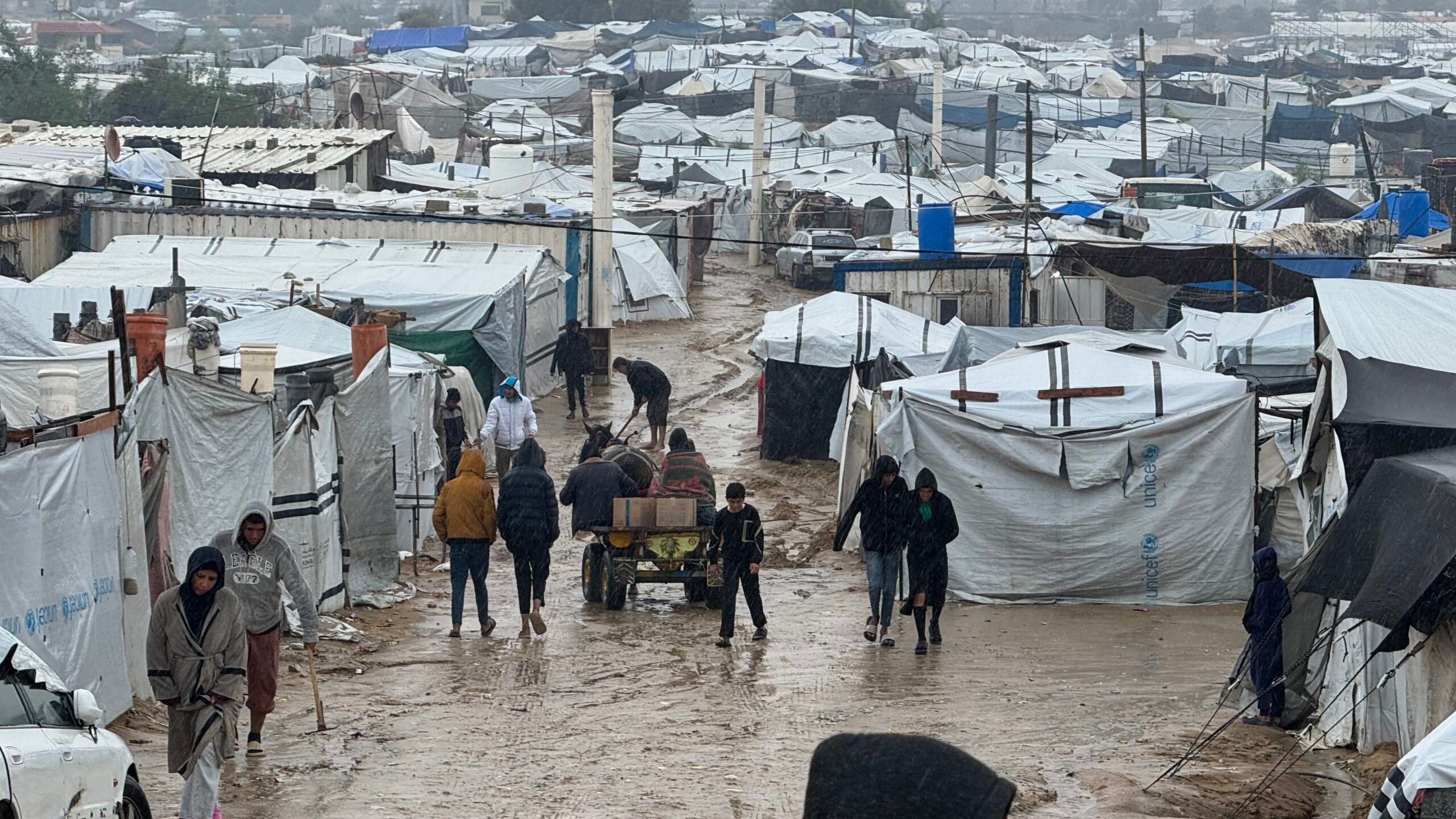
In Palestine, Israeli occupation forces continue their attacks on Gaza’s healthcare. Severe restrictions on essential supplies have caused a new health crisis, with newborns freezing to death in tent camps and dozens of Palestinian health workers still imprisoned, including pediatrician Hussam Abu Safiya.
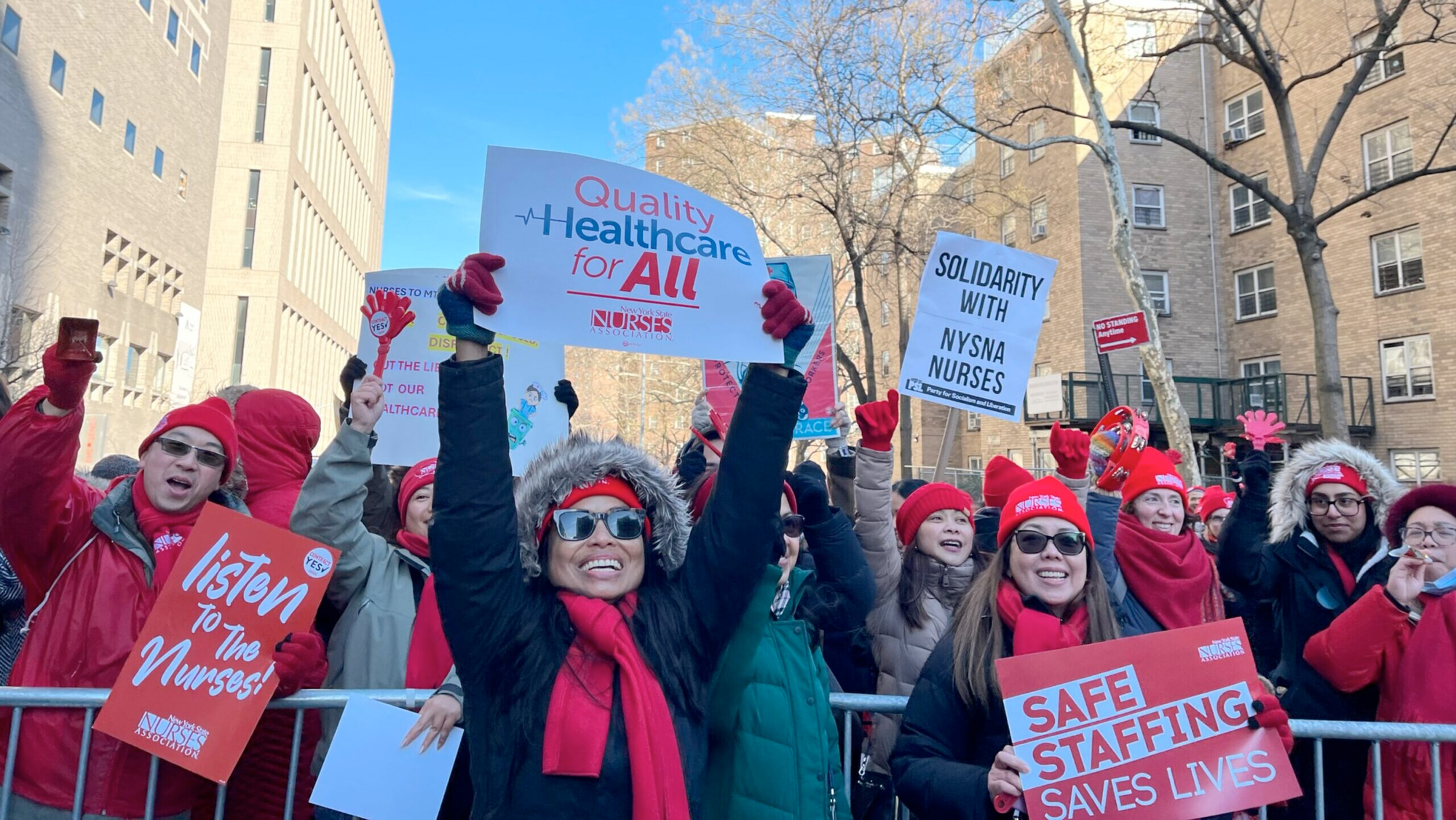
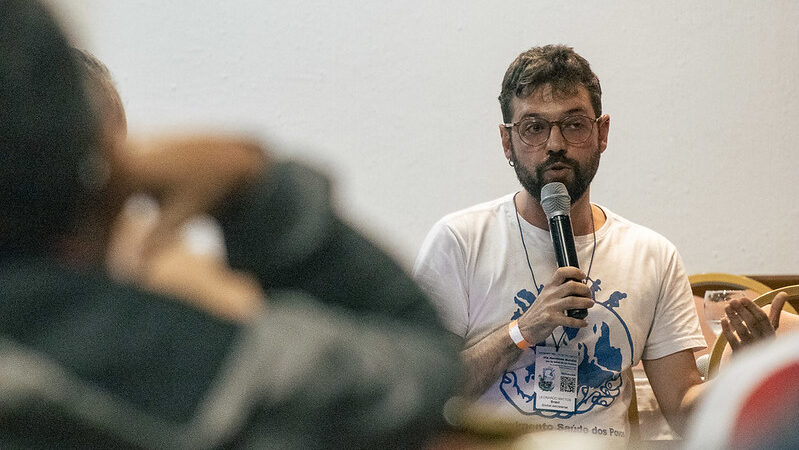
In New York, private-sector nurses have launched their largest strike in the city’s history, demanding that wealthy hospitals allocate funds to safe staffing and decent working conditions rather than executive pay. In Brazil, health movements are also pushing back against the effects of privatization, advocating de‑privatization and a stronger public health system. Researcher Leonardo Mattos spoke with Outra Saúde about what de‑privatization would require and how it might be achieved.
In India, despite a drop in the price of the new HIV treatment Lenacapavir, many people are still unable to access it. A new video from the Working Group on Access to Medicines – India explores the barriers that keep this essential medicine out of reach.
Featured articles
Global health networks stand with Venezuela, linking anti-imperialism to struggle for health
People’s Health Movement and ALAMES join global calls condemning US attacks on Venezuela, insisting that resistance to imperialism is inseparable from the struggle for health.
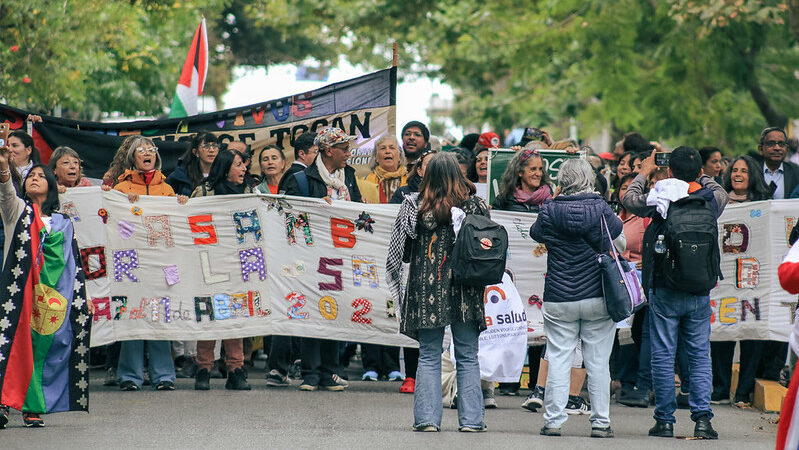
One year since Israel abducted Dr. Abu Safiya, calls grow for the release of Palestinian health workers
December 27 marks one year since Israeli forces set fire to Kamal Adwan Hospital and detained pediatrician Hussam Abu Safiya.
Israeli restrictions fuel medicine shortage and health crisis in Gaza
Israeli restrictions on medical supply deliveries are intensifying Gaza’s health crisis amid the ongoing genocide.
15,000 New York nurses strike for safe staffing and quality care
Around 15,000 private-sector nurses in New York City have entered a third day of strike, demanding safe staffing levels, fair pay, and stronger protections for patients and workers.
SUS: de-privatization is possible – and necessary
Researcher Leonardo Mattos describes how the private sector is infiltrating the public healthcare system in Brazil, fragmenting care provision.
Video
Lenacapavir: the HIV prevention breakthrough Indians can’t access
The new HIV medicine – Lenacapavir – is a breakthrough for HIV prevention. Two injections a year could change the game. But Indians can’t access it despite a drop in the price.
In case you missed it

 Liz Szabo, MA
 Ceren Sagir
 Merrill Goozner