Bulletin #122: Ebola outbreak swells into largest ever in DRC
This fortnight
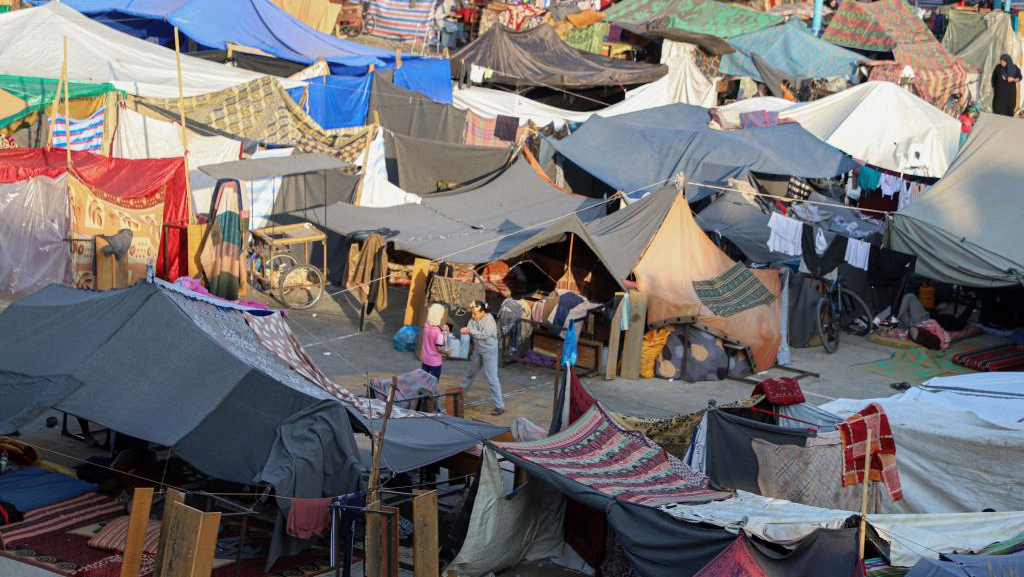
A chickenpox outbreak has emerged as one of the latest consequences of Israel’s systematic attacks on Gaza’s infrastructure and obstruction of supply deliveries. The spread of the disease is compounded by life in overcrowded tents without adequate access to nutritious food, clean water, or hygiene essentials. Living conditions in Gaza are made even worse by high temperatures, with temperatures recently hitting 40 degrees Celsius.
“We are suffering tremendously because of the extreme heat,” a pregnant mother told Al Mezan Center. “There is no electricity and no clean water in the camp where we are displaced. We have no fans or batteries, and throughout the day we constantly fear for our children.”
In Britain, health workers and patients continue their campaign to remove US tech company Palantir from the National Health Service (NHS). Health organizations are calling for scaling up existing NHS-led innovations in data management, avoiding vendor lock-in, and ensuring that future projects in this area are based on need and evidence.
Ahead of this year’s elections, health activists in Brazil are focusing on the way forward for the Unified Health System (SUS). At a recent panel, public health experts Ligia Bahia and Gonzalo Vecina discussed opportunities brought by de-privatization and regional cooperation.
An India–US trade deal could come with a hidden price tag: more expensive medicines. At the heart of the discussion lies the contentious issue of Data Exclusivity (DE) – a provision that could delay generic competition, extend monopolies, and ultimately put life-saving drugs out of reach for millions.
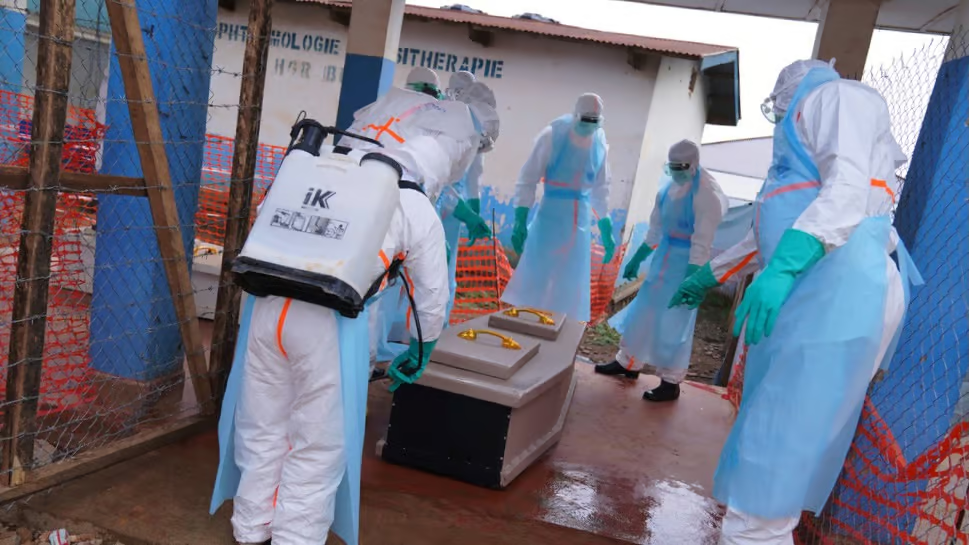
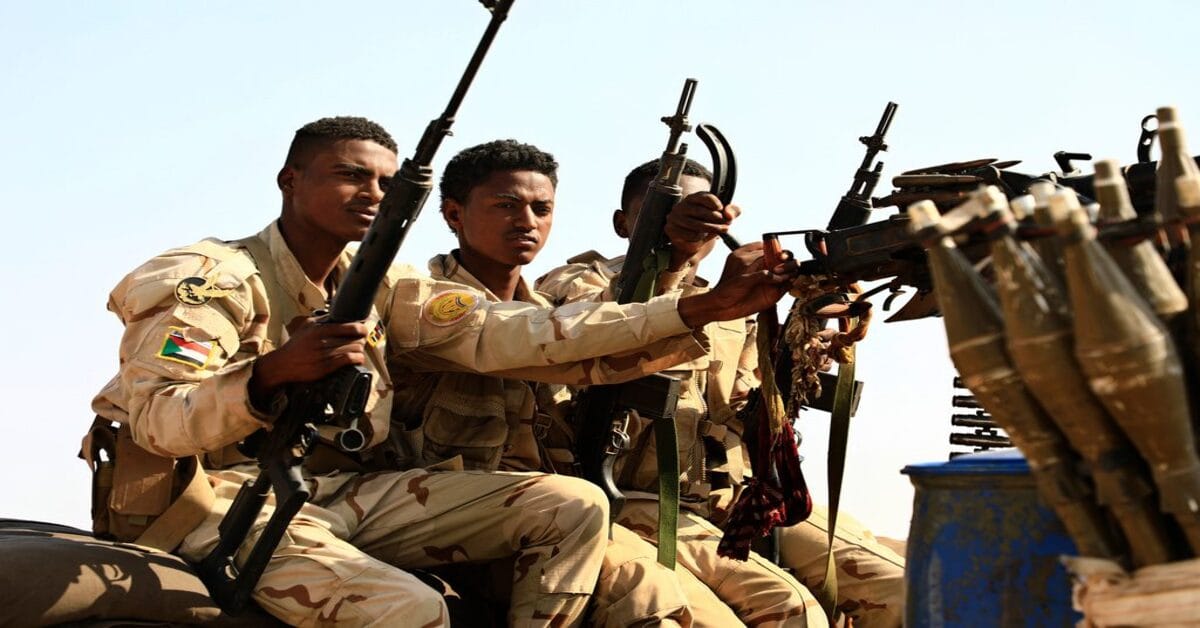
Several countries in Africa have faced health crises over the past weeks. Over 1,500 people have died as a result of the most recent Ebola outbreak in the Democratic Republic of Congo (DRC) – making it the largest ever recorded in the country. In Sudan, hunger, thirst, and cholera continue to plague the population threatened by new Rapid Support Forces (RSF) campaigns.
Across the African continent, over half the population faced moderate or severe food insecurity in 2025, with one in five suffering from hunger.
Featured articles
Chickenpox outbreak in Gaza compounds health crisis caused by Israel’s genocide
A chickenpox outbreak emerges as another consequence of Israel's systematic attacks on Gaza's infrastructure and obstruction of essential supplies.
How Peter Thiel’s Palantir scored a contract with NHS, and why activists are calling for its termination
British health organizations reiterated calls for the government to use an exit clause in its NHS contract with Palantir and turn to locally developed solutions.

Brazilian public health experts see de-privatization, regional collaboration as keys to strengthen health system
Public health experts Ligia Bahia and Gonzalo Vecina discussed strengthening Brazil's Unified Health System through de-privatization and regional consortia ahead of 2026 elections.

Video
Data Exclusivity: A recipe for costly medicines
Data Exclusivity in the India–US trade deal could delay generics and raise drug prices – and patients could pay the price.
Short reads
Nearly 1,500 killed as the Ebola outbreak swells into the largest ever in DRC
The speed of the spread is 8.5 times faster than the world’s largest known Ebola outbreak that started in West Africa in 2014, infecting 28,600 people and killing 11,325.
Hunger, thirst, and cholera stalk besieged residents as an invasion looms over Sudan’s El Obeid
Several UN agencies have been warning of the risk of another genocidal campaign against the city the RSF has besieged for 18 months.
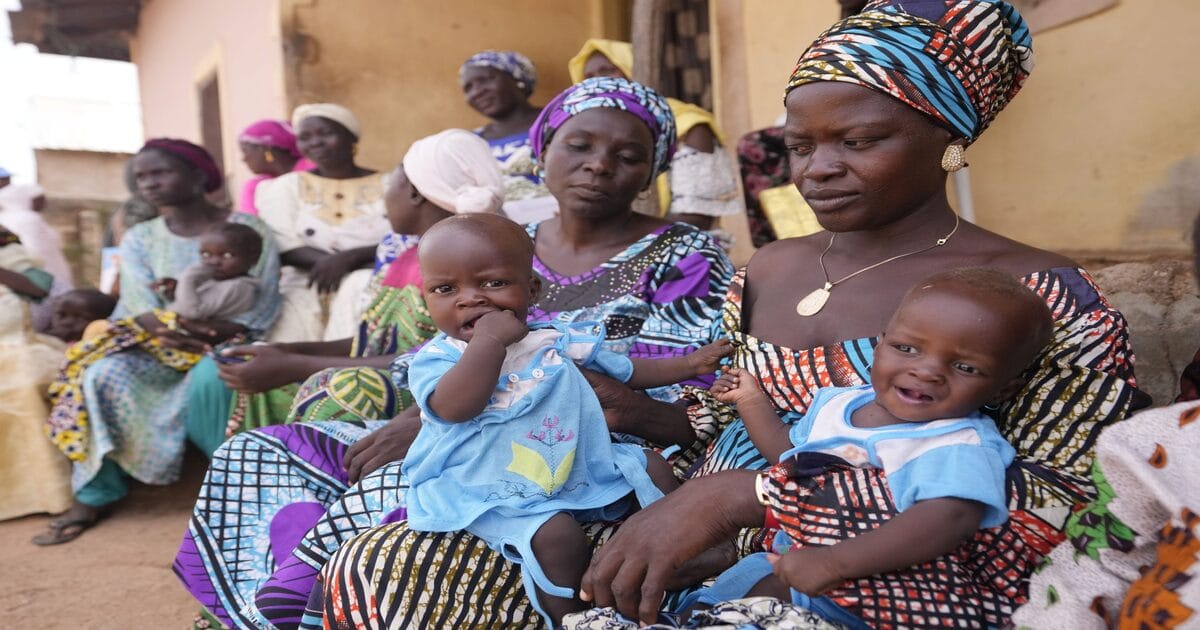
Over half of Africa’s population suffered from food insecurity: UN report
Nearly 80% of babies in Africa aged six to 23 months lacked adequate nutrition in 2025. Armed violence is the main driver of hunger.
In case you missed it

 Joe Todd
 Rajeev Choudhury
 Comms
Comms