Bulletin #124: Gaza’s healthcare is still a target – three years into the genocide
This fortnight
Three years into the genocide in Gaza, Palestinian healthcare remains a target for Israel. Health workers like Dr. Hussam Abu Safiya remain imprisoned, while others face daily risks to their lives and their families.
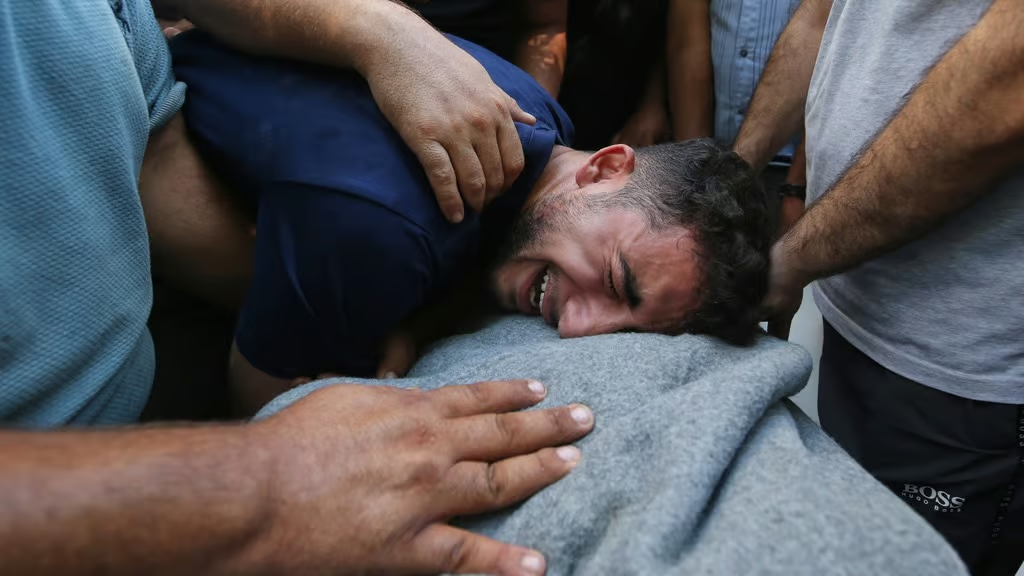
In late September, Bashir al-Bursh, son of Gaza Health Ministry Director General Dr. Munir al-Bursh, was struck by a drone after leaving his family's tent. His case is one of many testimonies of the occupation's criminal tactics.
Despite the ongoing genocide, governments in the Global North have yet to meaningfully shift their discourse on Israel – or their cooperation with companies supporting the occupation’s crimes. Palantir stands out among these firms, still holding significant contracts across Europe.
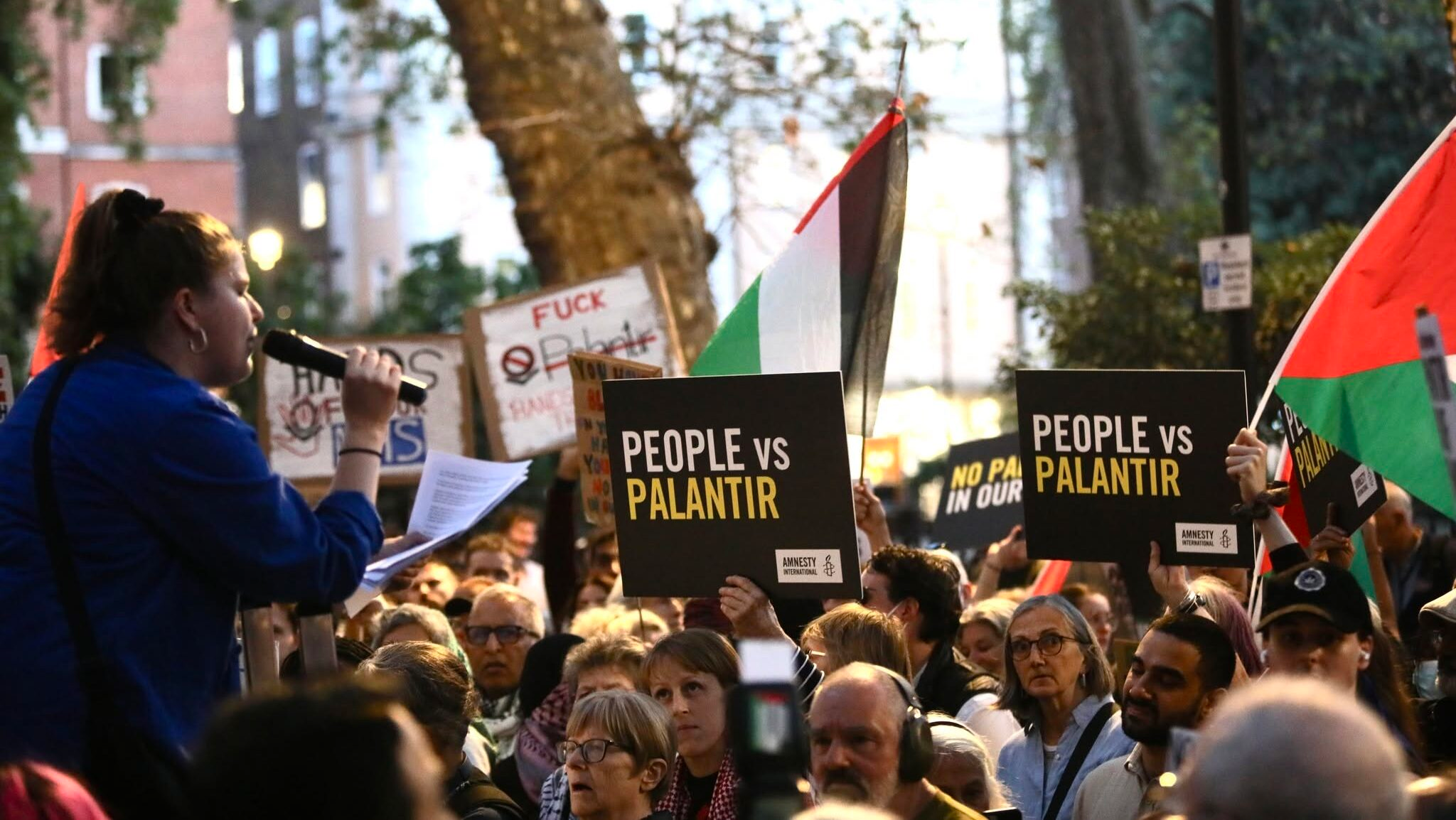
In early October, health workers and activists organized over 40 actions across Britain to demand an end to the spy-tech firm's presence in the National Health Service.
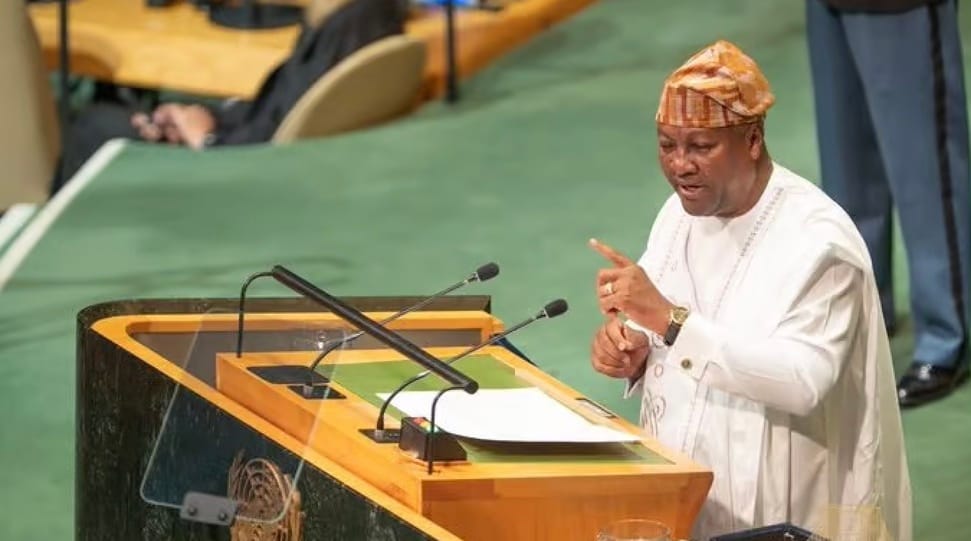
Going against the trend set by several other African countries in health "deals" with the United States, Ghana recently rejected a proposed health agreement, raising concerns about health data, financing obligations, and Ghana's regulatory authority.
Ghanaian President John Dramani Mahama described the proposal as humiliating. "Ghana is a sovereign nation, and we have our own processes. We are a democratic country," Mahama said.
In the United States, the health impacts of the World Trade Center collapse linger on, with survivors suffering the consequences of exposure to toxic dust after September 11, 2001. Twenty-five years after the event, New York City announced it will finally release the full records on the day's health impact.
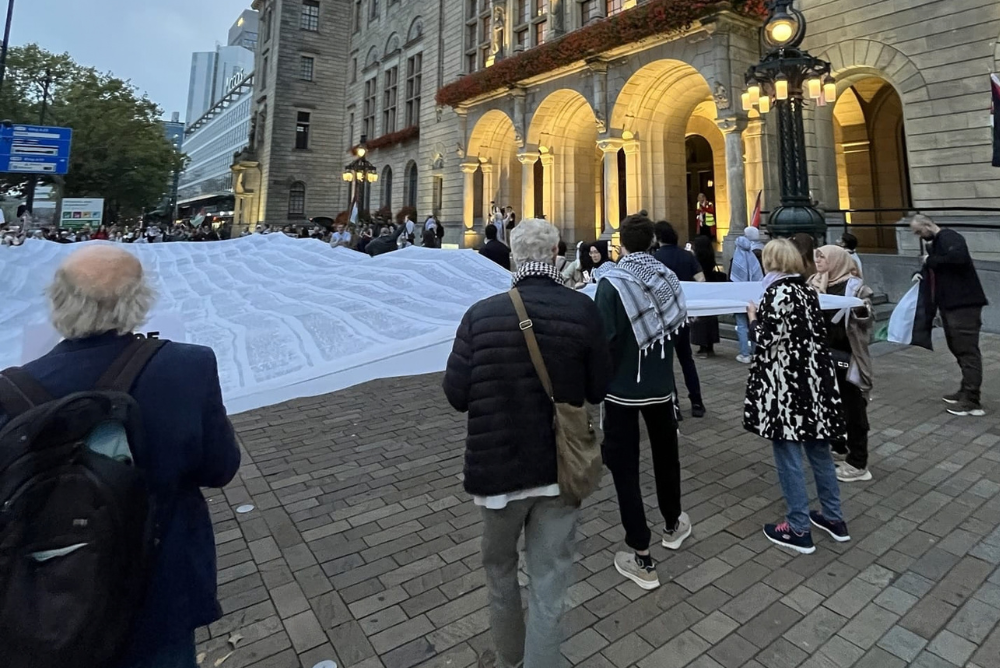
The most recent edition of ManiFiesta, the annual festival of solidarity held in Belgium, brought a strong health program. Over two days of workshops, discussions, and screenings, health workers called for action against genocide and militarization, citing a professional duty to uphold the right to health.
In England, students' access to healthy food remains a widespread problem. Many still rely on ultra-processed options amid ongoing commercialization, weak accountability, and inaccessible prices.
Featured articles
‘Cut ties with Palantir’, say UK’s health workers
Protesters at more than 40 locations across England demanded an end to spy-tech firm Palantir’s role in the National Health Service.
Israel kills son of Gaza health official in latest atrocities
Israel continues to target health officials and their families in Gaza, as part of its genocidal tactics.
Ghana swiftly rejects US health deal, calls it ‘humiliating’
Ghana rejected the $109 million deal, citing concerns over the sharing of sensitive health data, financing obligations, and restrictions on Ghana’s regulatory authority over medical products. President John Dramani Mahama said it was humiliating.
25 years later, survivors still struggle with health impacts of 9/11
Twenty-five years after the World Trade Center collapse, survivors still suffer enduring health consequences of toxic dust released that day.

Health workers demand action against genocide and militarization at ManiFiesta 2026
At ManiFiesta 2026, health workers called for action against genocide and militarization, citing a professional duty to uphold the right to health.

Healthy food is still out of reach for students and young people
Secondary school students across England remain reliant on unhealthy food options due to commercialization and inaccessible prices.

In case you missed it